


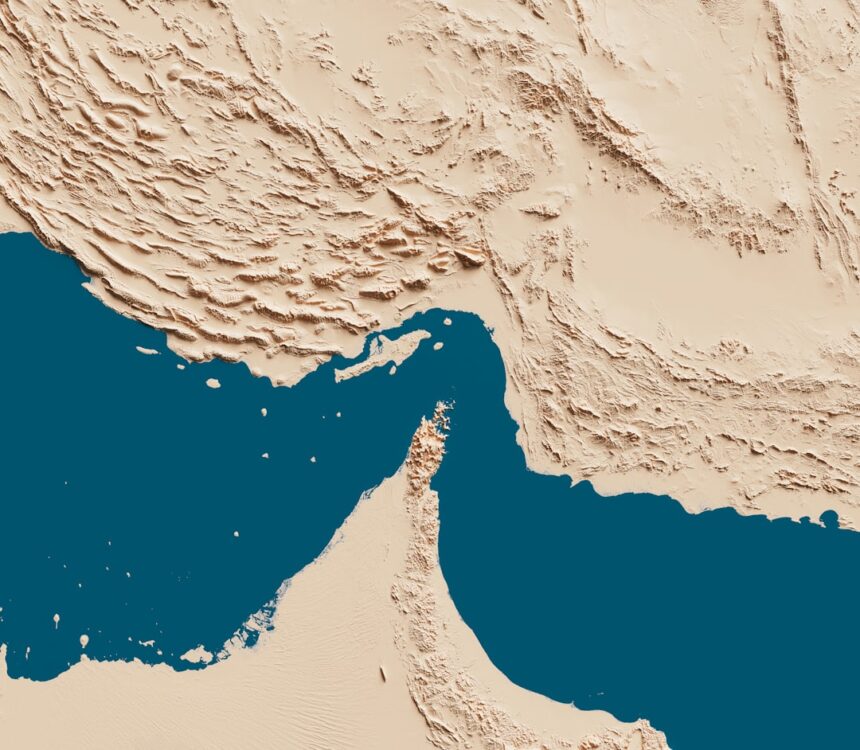
Arre bhai, imagine if someone could just block a 21-mile wide waterway and instantly mess with India’s ₹15 lakh crore oil import bill. That’s exactly the power of Strait of Hormuz – the world’s most important oil chokepoint between Iran and Oman.
Every single day, around 21 million barrels of crude oil pass through this narrow strait. For India, this means roughly 85% of our oil imports come through this route, directly hitting our fuel prices yaar.
#StraitOfHormuz #newstrendss #IndiaNews
Why Strait of Hormuz Matlab Big Deal for India
Picture this – India imports about 4.5 million barrels of oil daily, and most of it comes from our friends in UAE, Saudi Arabia, and Iraq. All these shipments have to squeeze through Hormuz before reaching Indian ports like JNPT Mumbai or Paradip in Odisha.
The strait is just 21 miles wide at its narrowest point between Iran’s Qeshm Island and Oman’s Musandam Peninsula. If anything happens here, petrol prices in Delhi and Mumbai can jump ₹10-15 per liter within weeks.
- Controls 40% of world’s seaborne oil trade
- Handles ₹12-15 lakh crore worth of energy supplies annually
- Critical for Indian refineries like Reliance Jamnagar and IOC Paradip
The Iran Factor and Regional Politics
Honestly yaar, Iran controls the northern side of this strait, and they’ve threatened to block it multiple times during tensions with US and allies. In 2019, several oil tankers were attacked near the strait, sending Brent crude prices jumping from $70 to $85 per barrel.
For India, this creates a tricky situation. We maintain good relations with Iran (our Chabahar Port project), but also depend on US-allied Gulf countries for energy. When tensions rise, Indian companies like ONGC Videsh and Oil India Limited have to navigate carefully.
India’s Backup Plans Beyond Hormuz
Smart move by India – we’re not putting all eggs in one basket anymore. The government has been building strategic petroleum reserves in Visakhapatnam, Mangalore, and Padur with capacity for 36.87 million barrels.
Plus, projects like the UAE-Israel pipeline and increased imports from Russia via different routes are reducing our Hormuz dependency. Indian Oil Corporation has also increased storage capacity to handle 45-60 days of emergency supplies.
- Strategic reserves in 3 locations across India
- Alternative supply routes from Russia and Venezuela
- Domestic production push in Krishna-Godavari basin
What This Means for Common Indians
Matlab simple hai – any drama in Strait of Hormuz directly hits your pocket. When tensions spike, international oil prices jump, and within 2-3 weeks, you’re paying more for petrol in Chennai or Kolkata.
The 2019 tanker attacks led to ₹3-4 per liter increase in fuel prices across India. Similarly, any closure or disruption can push cooking gas prices up by ₹50-100 per cylinder.
Mujhe lagta hai India is doing the right thing by diversifying energy sources and building strategic reserves. But until we become truly energy independent, Strait of Hormuz will remain a critical factor in our economic planning and daily fuel costs.