


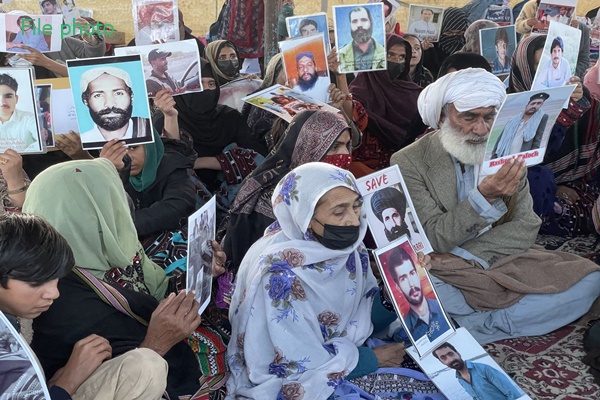
Balochistan is back in the news, and honestly yaar, it’s getting pretty intense over there. Pakistan’s largest province by area but smallest by population is facing some serious unrest, and we need to understand what’s going on.
The province that borders both Iran and Afghanistan has been making headlines for all the wrong reasons lately.
#Balochistan #newstrendss #IndiaNews
What’s Actually Happening There?
So here’s the deal – Balochistan has been dealing with a separatist movement for decades now. The Baloch people feel like they’re being ignored by Islamabad, matlab the federal government isn’t giving them their fair share.
Recent protests have erupted over missing persons cases and economic neglect. Bhai, imagine living on land rich with natural gas and copper, but still struggling with basic facilities. That’s exactly what’s happening there.
The Baloch Liberation Army and other groups have been carrying out attacks, while Pakistan’s military has been responding with operations. It’s become a cycle that just won’t break.
Why Should Indians Care?
Arre yaar, this isn’t just Pakistan’s internal matter. Balochistan shares a border with us, and instability there affects the entire region.
Here’s what matters for us:
- Regional security concerns along our western borders
- Impact on trade routes and connectivity projects
- Refugee influx possibilities during major conflicts
- China’s CPEC project runs through Balochistan
Plus, any major political change in Pakistan directly impacts our foreign policy decisions. We can’t just ignore what’s happening next door.
The Economics Behind the Anger
Here’s something that’ll blow your mind – Balochistan produces about 36% of Pakistan’s natural gas but gets barely 17% of the revenue back. Matlab, they’re literally fueling the country but staying poor themselves.
The province has huge reserves of copper, gold, and other minerals. Yet most Baloch people live in poverty with limited access to education and healthcare. Sounds unfair, right?
China’s investment in Gwadar port through CPEC has also created tensions. Local fishermen and traders feel like outsiders are benefiting while they’re being pushed aside.
What’s Next for the Region?
Honestly yaar, the situation looks pretty complicated. Pakistan’s government keeps promising development packages, but the trust deficit is huge now.
Recent talks between Baloch leaders and Islamabad haven’t really moved the needle much. The younger generation seems more radical than their elders, which isn’t a good sign for peaceful resolution.
International attention is also increasing, with human rights organizations raising concerns about enforced disappearances and military operations.
Mujhe lagta hai, Pakistan needs to seriously address Baloch grievances if they want long-term stability. But given their track record, dekhte hain what actually happens.
For us Indians, keeping an eye on Balochistan developments is important for our own strategic planning. The region’s future will definitely impact South Asian geopolitics in the coming years.