


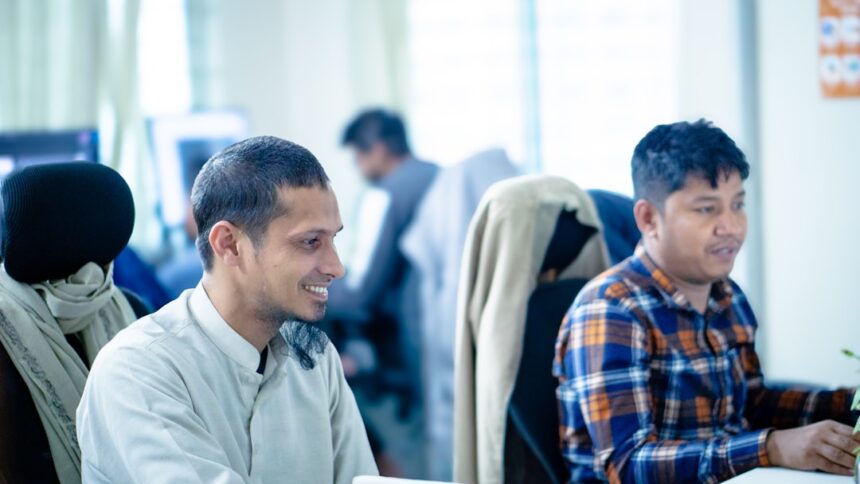
Bali has become the ultimate destination for Indian techies looking to escape the Mumbai traffic and Bangalore weather, yaar! With over 12,000 Indian digital nomads currently based in Canggu and Ubud, the island is practically becoming our second Silicon Valley. These guys are pulling in salaries ranging from ₹8 lakh to ₹25 lakh annually while sipping coconut water on the beach.
#Bali #newstrendss #IndiaNews #DigitalNomads #TechHub
Why Indian Developers Are Choosing Bali Over Goa
The numbers don’t lie, bhai. While Goa charges ₹45,000 per month for a decent co-working space, Bali’s Dojo Bali in Canggu offers the same facilities for just ₹18,000 monthly. Companies like Zomato, Paytm, and Razorpay have already given remote work approval to hundreds of their employees.
The internet speed in areas like Seminyak consistently hits 50 Mbps, which is honestly better than what most of us get in Delhi NCR. Plus, the cost of living is roughly 40% cheaper than Pune or Hyderabad.
Top Tech-Friendly Areas in Bali for Indian Professionals
These locations have become mini India hubs, matlab you’ll find more Indians here than in some parts of Mumbai:
- Canggu: Home to over 200 Indian startups and freelancers, monthly rent ₹25,000-35,000
- Ubud: Perfect for app developers, surrounded by rice fields, rent around ₹20,000-30,000
- Seminyak: Premium area where senior architects from TCS and Infosys stay, rent ₹40,000-60,000
- Sanur: Quieter spot preferred by data scientists, monthly expenses under ₹35,000
Real Success Stories From Indian Tech Nomads
Priya Sharma from Bengaluru started her fintech consultancy from a Canggu cafe in early 2026 and is now making ₹18 lakh annually. Her clients include three major Indian banks and she’s never been happier.
Then there’s Arjun Mehta, who left his ₹12 lakh job at Wipro to freelance from Ubud. He’s now earning ₹22 lakh yearly building mobile apps for US clients while his rent is just ₹28,000 per month.
The Bali government has made it super easy too – the B211A visa allows Indians to stay for 6 months at ₹8,500, and renewal is hassle-free unlike the nightmare of getting US visas.
Challenges Indian Techies Face in Bali
It’s not all sunshine and beaches, yaar. The time zone difference means video calls with Indian clients happen at weird hours. Many developers end up working 6 AM to 2 PM to sync with IST.
Language can be tricky initially, though most co-working spaces have English-speaking staff. Banking is another issue – HDFC and ICICI have limited international transfer options, so most people rely on Wise or Remitly for salary transfers.
Weather during monsoon season (October to March) can affect internet connectivity in remote areas, which is why most techies stick to Canggu or Seminyak during these months.
Honestly yaar, if you’re earning above ₹10 lakh in tech and your company allows remote work, Bali makes complete financial sense. Mujhe lagta hai this trend is only going to grow bigger in 2026, especially with more Indian companies embracing permanent remote policies post the whole work-from-home revolution.