


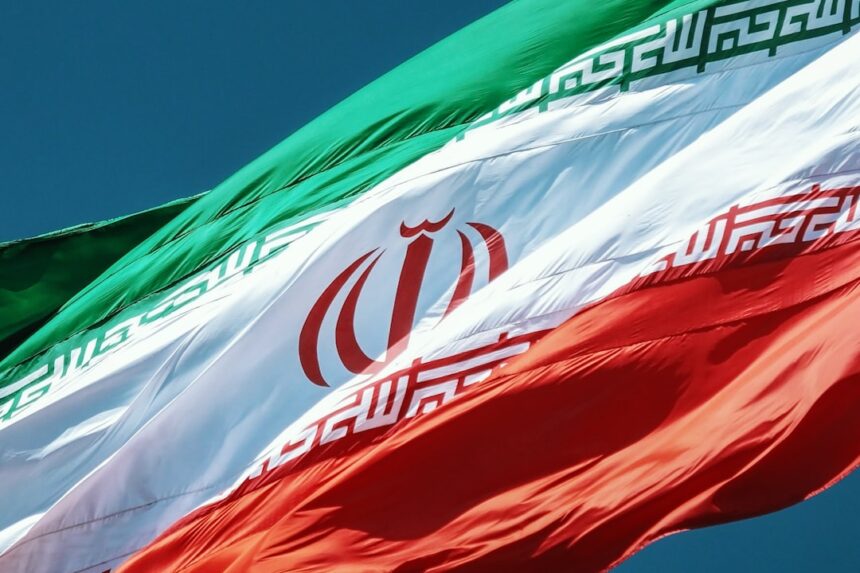
Technology sanctions between the United States and Iran have created a massive digital divide that’s affecting millions of users worldwide, including many Indians working with Iranian companies. Major tech giants like Apple, Google, Microsoft, and Meta have completely blocked their services in Iran, creating a parallel tech ecosystem that’s worth understanding, yaar.
#USTechSanctions #Iran #newstrendss #IndiaNews
Major US Tech Companies Blocking Iran
The list of American technology companies that have restricted access to Iran is pretty extensive, honestly. These restrictions affect everything from basic apps to enterprise software that many businesses rely on.
- Apple: Complete App Store ban, no iOS app downloads, iCloud services blocked
- Google: Google Play Store inaccessible, YouTube monetization blocked, Google Workspace restricted
- Microsoft: Office 365 subscriptions terminated, Azure cloud services unavailable
- Meta: WhatsApp Business API blocked, Instagram creator monetization disabled
- Adobe: Creative Cloud subscriptions suspended, Photoshop licensing blocked
- Oracle: Enterprise database licenses revoked, cloud infrastructure access terminated
Matlab, these sanctions even affect Indian companies that have Iranian clients or partnerships. Many Mumbai-based software firms have had to restructure their international projects because of these restrictions.
Iran’s Response: Building Domestic Tech Alternatives
Iran hasn’t just sat quietly, bhai. They’ve developed some impressive domestic alternatives that are actually gaining traction in other countries too.
- Snapp: Iran’s version of Uber, now operating in several Middle Eastern countries
- Digikala: E-commerce platform competing with Amazon’s model
- Aparat: YouTube alternative with over 45 million active users
- Soroush: Messaging app that rivals WhatsApp in functionality
- Café Bazaar: Android app marketplace with over 40 million registered users
- Hamrah-e Avval: Telecommunications giant providing 4G services to 48 million subscribers
Honestly, some of these Iranian apps are quite sophisticated. Digikala processes over 2 million orders monthly, which is impressive for a sanctions-hit economy.
Impact on Indian Tech Industry
These US-Iran technology restrictions have created interesting opportunities and challenges for Indian tech companies, yaar. Many Iranian businesses are looking eastward for technology partnerships.
Bangalore-based companies like Infosys and TCS have had to navigate carefully around these sanctions while maintaining their US client relationships. Some smaller Indian firms have found niche opportunities providing alternative solutions to Iranian companies.
- Payment Processing: Indian fintech companies exploring cryptocurrency-based solutions
- Cloud Services: Mumbai data centers offering alternatives to AWS and Azure
- Software Development: Pune-based firms providing custom enterprise solutions
- Mobile Apps: Chennai developers creating Iran-specific applications
Future of US-Iran Tech Relations
The technology sanctions regime shows no signs of easing in 2026. If anything, restrictions have expanded to include emerging technologies like artificial intelligence and quantum computing.
Iran’s domestic tech sector is projected to grow 15% annually despite sanctions, driven by necessity and government investment. Their startup ecosystem raised approximately $180 million in 2025, mostly from domestic and Asian investors.
Mujhe lagta hai this situation creates a blueprint for other countries facing similar restrictions. Iran’s experience shows that building domestic tech alternatives is possible, though expensive and time-consuming. For Indian companies, it’s a reminder about the importance of diversifying technology dependencies and not relying solely on American platforms.