


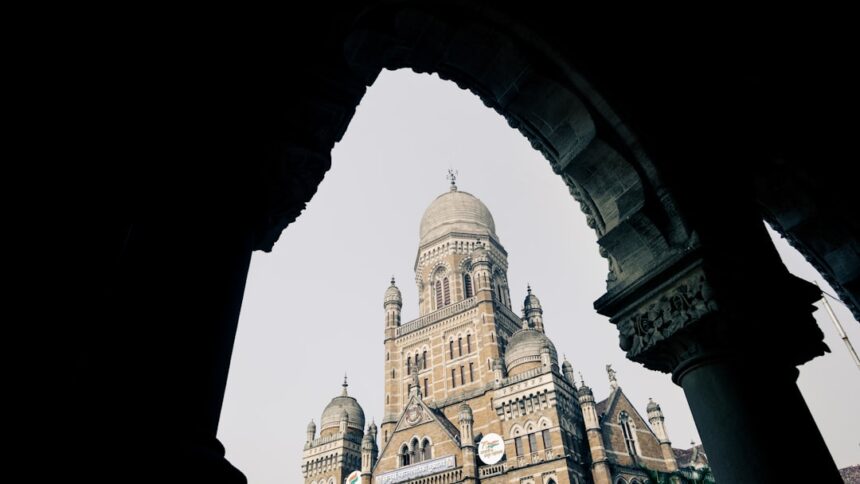
Arre yaar, municipal corporations across India are getting seriously strict these days! Just last week, Brihanmumbai Municipal Corporation (BMC) imposed a hefty ₹50 lakh penalty on Hiranandani Developers for unauthorized construction in Bandra West. This shows how powerful these local bodies have become in 2026.
#MunicipalCorporation #newstrendss #IndiaNews
What Exactly Are Municipal Corporations?
Municipal corporations are like the big boss of city governance yaar. Cities with population over 3 lakh get this status. Currently, India has around 468 municipal corporations managing our major urban centers.
Take Greater Chennai Corporation – it’s one of the oldest, established in 1688. Meanwhile, newer ones like Navi Mumbai Municipal Corporation (established in 1992) handle modern planned cities. These bodies manage everything from garbage collection to building permissions.
Major Powers That Will Surprise You
Honestly yaar, these corporations have some serious authority:
- Can demolish illegal structures within 24 hours (like Delhi Municipal Corporation did with 200 shops in Karol Bagh recently)
- Impose property taxes ranging from ₹500 to ₹2 lakh annually depending on area
- Issue trade licenses – without which no business can operate legally
- Control water supply and sewage systems for millions of residents
- Manage public transport permits and parking fees
Pune Municipal Corporation recently increased parking charges to ₹20 per hour in commercial areas. Matlab, they directly impact our daily expenses!
Revenue Sources That Keep Them Running
Municipal corporations aren’t running on thin air bhai. They generate massive revenue:
Property tax forms the backbone – BMC alone collects over ₹6,000 crore annually from property taxes. Then there are trade licenses, building permissions (₹50,000 to ₹5 lakh per project), and development charges.
Kolkata Municipal Corporation earns around ₹200 crore yearly from water charges alone. Plus, they get grants from state governments and central schemes like Smart Cities Mission.
Current Challenges Municipal Bodies Face
But sahi mein, these corporations face huge challenges in 2026. Urban population is exploding – cities like Gurgaon Municipal Corporation now handle 15 lakh residents compared to 8 lakh in 2015.
Infrastructure development costs are skyrocketing. Building one kilometer of road now costs ₹2-3 crore in metro cities. Waste management is another headache – Mumbai generates 11,000 tonnes of garbage daily!
Staff shortage is real too. Many corporations operate with 30-40% vacant positions, affecting service delivery.
Technology Making Things Better
Good news is, tech adoption is improving things. Surat Municipal Corporation’s online portal processes 80% of applications digitally now. Citizens can pay property taxes, apply for licenses, and lodge complaints through mobile apps.
Indore Municipal Corporation uses GPS tracking for garbage trucks and sends SMS updates to residents. This helped them win cleanest city award multiple times.
Mujhe lagta hai municipal corporations are slowly becoming more efficient and citizen-friendly. But they need better funding and more qualified staff to handle India’s rapid urbanization. What’s your experience with your local municipal corporation yaar?