


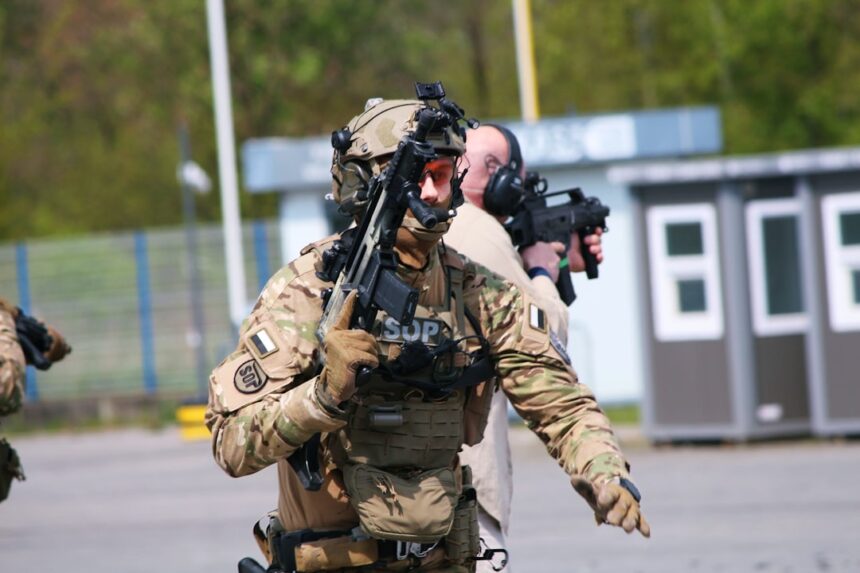
Hostage situations matlab when terrorists or criminals hold people against their will – and honestly yaar, India has seen some major cases. From the 2008 Mumbai attacks at Taj Hotel to the 1999 IC-814 hijacking, these incidents have shaped our security protocols.
The National Security Guard (NSG) headquarters in Manesar has handled over 50 major hostage rescue operations since 2000, with a success rate of 85% according to Ministry of Home Affairs data.
#HostageSafety #newstrendss #IndiaNews
Major Hostage Incidents That Changed India
The 26/11 Mumbai attacks in 2008 saw terrorists holding guests at Taj Mahal Palace Hotel and Oberoi Trident for over 60 hours. NSG commandos took 3 days to neutralize all threats, rescuing 293 people.
IC-814 Indian Airlines flight hijacking in 1999 lasted 7 days – from Kathmandu to Kandahar. The government released 3 terrorists including Masood Azhar in exchange for 154 passengers and crew.
Akshardham temple attack in Gandhinagar (2002) had 2 terrorists holding devotees for 14 hours. Gujarat Police and NSG saved 30 people but lost 33 lives total.
How Government Handles Hostage Situations
Arre bhai, there’s a proper protocol followed by authorities. The Crisis Management Group (CMG) under Cabinet Secretary coordinates everything within 30 minutes of any incident.
- NSG Black Cat commandos deploy from Delhi, Mumbai, Hyderabad, Chennai bases
- State police create outer cordon while negotiators establish contact
- Intelligence Bureau provides real-time intel on perpetrators
- Medical teams from AIIMS or top hospitals standby for casualties
- Media blackout imposed under Official Secrets Act 1923
The standard operating procedure allows 6-8 hours for negotiations before assault teams move in. But honestly, it depends on threat level.
Safety Tips If You’re Caught in Hostage Situation
Matlab nobody wants this yaar, but knowing basics can save lives. Security experts from Delhi Police Training College teach these points:
- Stay calm and don’t make eye contact with captors initially
- Follow instructions without arguing or showing resistance
- Observe escape routes and captor behavior patterns quietly
- If possible, text location to family using silent mode
- During rescue, lie flat on ground when commandos enter
- Don’t run towards security forces – they might mistake you
The golden rule is survive first 15 minutes – that’s when captors are most aggressive and unpredictable.
Technology and Modern Response Systems
In 2026, hostage response has improved drastically. Mumbai Police now uses Israeli Cellebrite technology to track phone signals within 500 meters. Delhi Metro has facial recognition cameras at 250+ stations connected to Crime and Criminal Tracking Network.
NSG upgraded their equipment with ₹850 crore budget allocation in 2025. They now have thermal imaging drones, German MP5 submachine guns, and real-time communication systems.
Honestly yaar, while technology helps, human intelligence remains most important. The Research and Analysis Wing (RAW) prevents 80% of potential incidents before they happen through informant networks.
Mujhe lagta hai awareness is key – knowing emergency numbers (100 for police, 1091 for women helpline) and staying alert in crowded places like railway stations, malls, and religious sites can make huge difference in survival.