


Yaar, have you noticed how fascinated we Indians are with stories about dictators? Whether it’s watching films like “The Kashmir Files” or “Gandhi My Father,” or binge-watching documentaries about Hitler and Stalin on Netflix, there’s something about absolute power that grabs our attention. Matlab, even in 2026, dictators remain one of the most searched topics online in India.
#Dictator #newstrendss #IndiaNews
What Actually Makes Someone a Dictator?
Arre bhai, let’s get this straight – a dictator isn’t just any strict leader. These are people who grab absolute power and refuse to give it up. Think Adolf Hitler in Germany, Joseph Stalin in Soviet Russia, or more recently, people like Saddam Hussein in Iraq.
The key signs include:
- No free elections or rigged ones
- Control over media and information
- Secret police and surveillance
- Crushing opposition parties and protesters
- Using fear to control people
Honestly yaar, it’s scary how these patterns repeat across different countries and time periods.
Bollywood’s Take on Dictators and Power
Our film industry has always been obsessed with power stories. Movies like “Raajneeti” starring Ranbir Kapoor showed political manipulation, while “The Accidental Prime Minister” gave us a peek into political control.
Even regional cinema isn’t behind. Tamil films like “Sarkar” with Vijay, or Telugu movies like “Bharat Ane Nenu” with Mahesh Babu – they all touch on themes of absolute power and its consequences.
Mujhe lagta hai we’re drawn to these stories because they show us what happens when power goes unchecked. It’s like a warning wrapped in entertainment.
Modern Dictators and Technology
The scary part? Today’s dictators are way more sophisticated than Hitler or Mussolini ever were. They use social media manipulation, cyber surveillance, and digital control.
Countries like North Korea under Kim Jong-un show how technology can make dictatorship even more effective. Citizens can’t access international websites, can’t communicate freely, and are constantly monitored through digital means.
In India, we’ve seen debates about digital surveillance and privacy laws throughout 2025 and into 2026. The balance between security and freedom remains a hot topic, especially with the Aadhaar system and social media monitoring.
Why Indians Should Care About This Topic
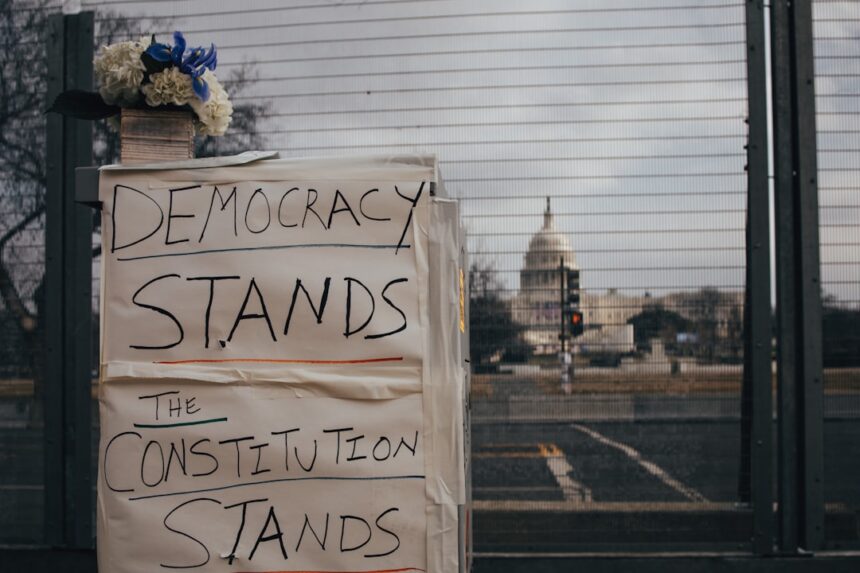
Yaar, understanding dictatorship isn’t just about history lessons. It’s about recognizing warning signs and protecting our democracy.
Remember how Emergency was declared in 1975? That 21-month period showed Indians what happens when democratic institutions get suspended. Opposition leaders like Atal Bihari Vajpayee and L.K. Advani were jailed, press freedom was crushed, and fundamental rights were suspended.
The cost was huge – thousands were imprisoned, forced sterilizations happened, and slum demolitions displaced lakhs of people. It’s a reminder that even established democracies can slip toward authoritarianism.
Honestly, I think every Indian should understand these patterns. Whether you’re in Mumbai, Delhi, Bangalore, or any small town in Bihar or UP, your freedom depends on staying alert to these warning signs. Democracy isn’t automatic – it needs constant protection, yaar.