



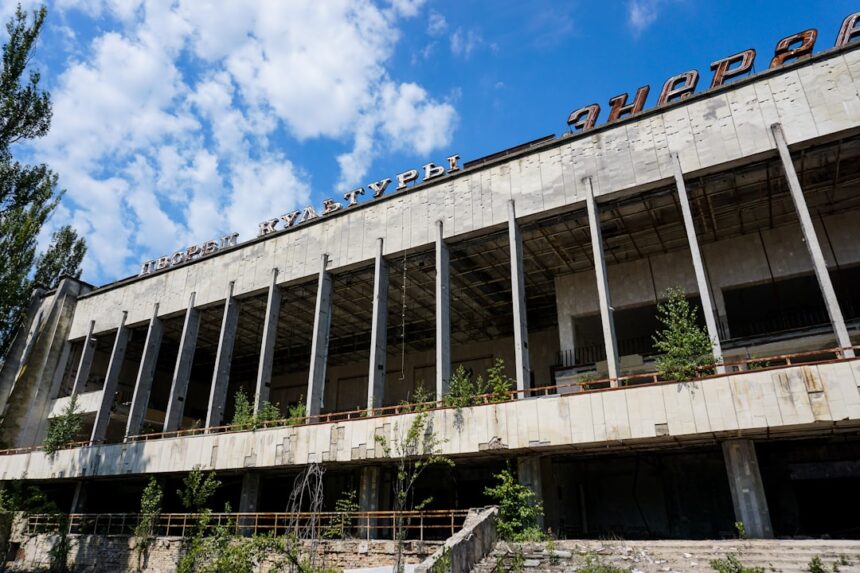
Arre yaar, everyone’s talking about nuclear power these days, especially with India planning more nuclear plants. But do you know about the Chernobyl disaster that happened in 1986? It’s honestly one of the most terrifying man-made disasters ever.
This Soviet nuclear plant explosion changed everything about how we think of nuclear energy. And with India having 23 nuclear reactors currently, it’s pakka something we should understand better.
#Chernobyl #newstrendss #IndiaNews #NuclearSafety
What Actually Happened That Night
On April 26, 1986, Reactor 4 at the Chernobyl Nuclear Power Plant in Ukraine exploded during a safety test. Matlab, a safety test that went horribly wrong!
The explosion released radioactive material 400 times more than the Hiroshima bomb. The entire city of Pripyat – home to 50,000 people – was evacuated within 36 hours. Can you imagine leaving your home forever in just one day?
The radiation was so intense that even today, 38 years later, the area remains largely uninhabitable. There’s literally a 30-kilometer exclusion zone around the plant.
Why This Matters for India Today
India is seriously expanding its nuclear program, bhai. We’re planning to increase nuclear capacity from current 6,780 MW to 22,480 MW by 2031.
Our nuclear plants are located in:
- Tamil Nadu (Kudankulam)
- Maharashtra (Tarapur)
- Rajasthan (Rawatbhata)
- Karnataka (Kaiga)
- Gujarat (Kakrapar)
After Chernobyl, safety protocols changed worldwide. Indian nuclear facilities now follow much stricter international safety standards, which is honestly reassuring.
The Human Cost Was Massive
The immediate death toll was around 31 people, but the long-term impact? That’s where it gets scary, yaar.
Thousands developed cancer, especially thyroid cancer in children. The WHO estimates that up to 4,000 people may eventually die from radiation exposure.
Even worse – the psychological impact on survivors was huge. Many suffered from depression, anxiety, and what we’d now call PTSD.
The economic cost was around $235 billion (that’s roughly ₹19.5 lakh crores today!). The entire Soviet economy took a massive hit.
What Changed After Chernobyl
Nuclear safety became a totally different game after this disaster. New international safety standards were created, and honestly, they needed to be.
Modern reactors have multiple safety systems:
- Better containment structures
- Improved cooling systems
- Advanced monitoring technology
- Stricter operator training
India’s newer plants like Kudankulam use Russian VVER technology, which is considered much safer than the old Soviet RBMK reactors used at Chernobyl.
The disaster also showed why transparency matters. The Soviet government initially tried to hide the accident, which made everything worse.
Dekhte hain, nuclear energy can be safe when done right, but Chernobyl reminds us that the stakes are incredibly high. As India moves forward with nuclear expansion, learning from this tragedy isn’t just important – it’s absolutely necessary, yaar.