


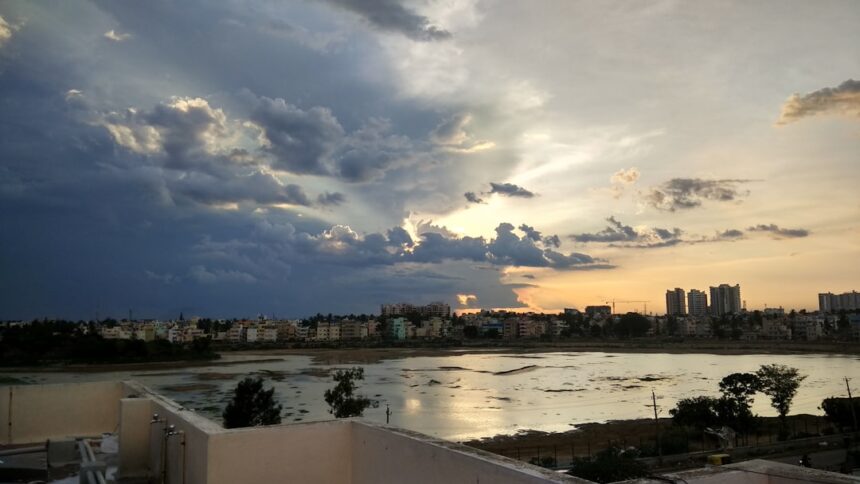
Bangalore ka weather, yaar – it’s been the talk of every IT professional from Electronic City to Marathahalli this year. The city that once boasted of perfect 22°C temperatures is now showing some interesting patterns that are making techies rethink their AC bills.
Honestly, if you’re planning to move to areas like Indiranagar or HSR Layout, you better know what you’re signing up for weather-wise.
#BangaloreWeather #newstrendss #IndiaNews
What Makes Bangalore Weather Special in 2026
The Garden City sits pretty at 920 meters above sea level, which explains why companies like Infosys, TCS, and Wipro chose this place as their headquarters. The altitude keeps things cooler than Mumbai or Chennai, but things have been changing lately.
Temperature ranges typically hover between 15°C to 28°C throughout the year. But matlab, if you’re in areas like Banashankari or Jayanagar, you might notice it feels different from what your colleagues in Bellandur experience.
- Summer months (March-May): 20°C to 33°C
- Monsoon season (June-September): 18°C to 28°C
- Winter period (December-February): 12°C to 25°C
Area-Wise Weather Differences Across Bangalore
Here’s something interesting – the weather isn’t uniform across the city. If you’re working in Manyata Tech Park, your experience will be different from someone in Koramangala.
North Bangalore areas like Hebbal and Yelahanka tend to be slightly warmer, while South Bangalore including JP Nagar and BTM Layout stay cooler. Central areas like MG Road and Brigade Road fall somewhere in between.
- Whitefield and Electronic City: Usually 2-3°C warmer due to concrete density
- Malleswaram and Basavanagudi: Cooler thanks to old trees and less traffic
- Outer Ring Road areas: More unpredictable due to ongoing construction
Monsoon Reality Check for Bangalore Residents
Arre bhai, if you think Bangalore monsoons are gentle, think again. The city receives about 970mm of rainfall annually, with July being the wettest month.
Areas like Majestic and KR Puram face serious waterlogging issues, while places like Sadashivanagar and Rajajinagar handle rains better due to better drainage systems.
The pre-monsoon showers usually start hitting by late May, and by June, you’ll need that umbrella daily if you’re commuting to places like Bagmane Tech Park or Embassy Golf Links.
Smart Tips for Bangalore Weather Navigation
Living in Bangalore for weather comfort? Here’s what actually works in 2026.
First, choose your PG or flat location wisely. Areas like Indiranagar, Koramangala, and Jayanagar offer the best weather-to-connectivity ratio. Avoid places too close to major traffic junctions if you want to escape the heat island effect.
- Keep light jackets handy – evening temperatures drop quickly
- Invest in good rain gear if you’re in flood-prone areas like Silk Board
- AC usage peaks during April-May, so budget around ₹2,000-3,000 extra for electricity
- Morning jogs work best between 6-8 AM when air quality is decent
Mujhe lagta hai Bangalore’s weather still beats Delhi’s extreme summers or Mumbai’s humidity any day. Yes, it’s not the same paradise it used to be, but for techies and students, it remains one of India’s most liveable cities weather-wise.